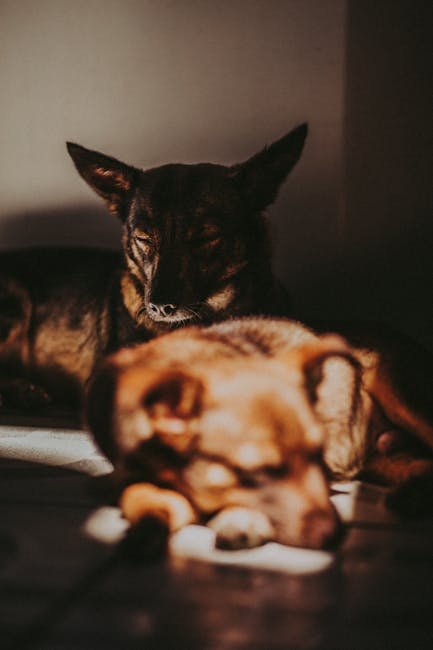

Understanding Anxiety in Senior Dogs
Age brings about changes, and our canine companions are no exception. Senior dogs often experience heightened anxiety due to a multitude of factors. Cognitive Dysfunction Syndrome (CDS), akin to Alzheimer’s in humans, is a primary culprit. This condition impairs cognitive function, leading to confusion, disorientation, and subsequent anxiety. They may forget familiar routines, get lost in their own homes, or react fearfully to previously benign stimuli.
Physical ailments associated with aging can also contribute significantly to anxiety. Arthritis, hip dysplasia, and other joint problems can cause chronic pain, making dogs more irritable and apprehensive. Vision and hearing loss amplify these effects. A dog who can’t see or hear approaching figures is naturally more likely to be startled and anxious. Moreover, underlying medical conditions like hypothyroidism or Cushing’s disease can disrupt hormone balance, directly impacting mood and behavior.
Changes in the household, even seemingly minor ones, can trigger anxiety in senior dogs. A new pet, a change in routine, or even rearranging furniture can disrupt their sense of security. The loss of a familiar companion, human or animal, can also be profoundly distressing. Senior dogs often rely heavily on established routines and familiar faces, making them particularly vulnerable to disruptions. Therefore, recognizing these potential triggers is the first step towards managing their anxiety.
Calming Treat Ingredients: What to Look For
When selecting calming treats, understanding the active ingredients and their mechanisms of action is crucial. Several ingredients have shown promise in reducing anxiety in dogs:
-
L-Theanine: This amino acid, naturally found in green tea, promotes relaxation without causing drowsiness. It works by influencing neurotransmitters in the brain, increasing alpha brainwave activity, which is associated with a calm and focused state. Studies have indicated L-Theanine can reduce anxiety-related behaviors in dogs, such as excessive barking, pacing, and destructive chewing. Dosage is typically weight-dependent, so consulting with a veterinarian is recommended.
-
Chamomile: A well-known herbal remedy, chamomile possesses calming properties due to its apigenin content. Apigenin binds to receptors in the brain that may decrease anxiety and initiate sleep. While generally safe, some dogs may experience mild gastrointestinal upset.
-
Melatonin: This hormone regulates sleep-wake cycles and can be helpful in managing anxiety related to sleep disturbances or situational stress, such as thunderstorms. It works by increasing GABA levels in the brain, which promotes relaxation. Always use melatonin specifically formulated for dogs and avoid products containing xylitol, which is toxic to dogs. Dosage is critical, as too much melatonin can cause grogginess.
-
Ginger: Primarily known for its anti-nausea properties, ginger can also indirectly help with anxiety. Nausea can be a symptom of anxiety, and by alleviating it, ginger can contribute to overall comfort and relaxation.
-
Tryptophan: An essential amino acid, tryptophan is a precursor to serotonin, a neurotransmitter that plays a crucial role in regulating mood. Increasing tryptophan levels can help boost serotonin production, leading to a calming effect.
-
Herbal Blends: Many calming treats combine multiple herbal ingredients for synergistic effects. These blends often include ingredients like valerian root, passionflower, and lemon balm, which are traditionally used to promote relaxation and reduce anxiety. However, it’s essential to research the potential interactions between these ingredients and any existing medications your dog is taking.
Choosing the Right Calming Treats: Considerations and Cautions
Selecting the appropriate calming treats requires careful consideration of your dog’s specific needs and potential risks.
-
Underlying Medical Conditions: Always consult with your veterinarian before introducing any new supplements or treats, especially if your dog has pre-existing medical conditions. Certain ingredients may interact with medications or exacerbate underlying health issues. For instance, dogs with kidney or liver disease may require lower dosages.
-
Allergies and Sensitivities: Carefully review the ingredient list to identify any potential allergens. Common allergens in dog treats include wheat, corn, soy, and certain proteins like chicken or beef. Opt for treats with limited ingredients and avoid artificial colors, flavors, and preservatives.
-
Dosage and Administration: Follow the manufacturer’s recommended dosage guidelines carefully. Start with a lower dose and gradually increase it as needed, while monitoring your dog for any adverse reactions. Divide the daily dose into smaller portions and administer them throughout the day, rather than giving one large dose.
-
Treat Form and Palatability: Senior dogs may have dental issues that make it difficult to chew hard treats. Choose soft chews or treats that can be easily broken into smaller pieces. Palatability is also crucial. Select treats with flavors and textures that your dog enjoys to ensure compliance.
-
Potential Side Effects: Be aware of potential side effects, such as drowsiness, gastrointestinal upset, or changes in appetite. If you notice any adverse reactions, discontinue use and consult with your veterinarian.
-
Treat as Part of a Holistic Approach: Calming treats are a valuable tool, but they should be used in conjunction with other management strategies, such as environmental enrichment, behavioral modification, and, in some cases, prescription medication.
-
Research the Brand: Choose reputable brands with transparent manufacturing processes and quality control measures. Look for products that have been third-party tested for purity and potency.
Complementary Strategies for Managing Senior Dog Anxiety
Calming treats are most effective when integrated with a comprehensive approach to managing senior dog anxiety.
-
Maintain a Consistent Routine: Predictability is key for senior dogs. Maintain a consistent daily routine for feeding, walks, and playtime. This provides a sense of security and reduces anxiety related to uncertainty.
-
Provide a Safe and Comfortable Environment: Create a quiet and comfortable space where your dog can retreat when feeling anxious. This could be a crate, a bed in a quiet room, or a familiar blanket.
-
Minimize Stressful Triggers: Identify and minimize potential stressors in your dog’s environment. This could involve reducing exposure to loud noises, unfamiliar visitors, or changes in routine.
-
Engage in Gentle Exercise: Regular, gentle exercise can help reduce anxiety and improve overall well-being. Short walks, gentle play sessions, or even just spending time outdoors can be beneficial.
-
Provide Mental Stimulation: Keep your dog mentally stimulated with puzzle toys, training exercises, or interactive games. This can help distract them from anxious thoughts and provide a sense of accomplishment.
-
Consider Pheromone Therapy: Dog-appeasing pheromones (DAP), available in diffusers, sprays, and collars, can help reduce anxiety by mimicking the scent of a mother dog’s pheromones.
-
Consult a Veterinary Behaviorist: If your dog’s anxiety is severe or unresponsive to other treatments, consult with a veterinary behaviorist. They can provide a comprehensive assessment and develop a tailored treatment plan, which may include medication.
-
Medication: While natural remedies are often preferred for mild anxiety, sometimes medications are necessary. Common medications prescribed are SSRIs (Selective Serotonin Reuptake Inhibitors) and TCAs (Tricyclic Antidepressants).
By combining calming treats with these complementary strategies, you can significantly improve your senior dog’s quality of life and help them enjoy their golden years in comfort and peace.