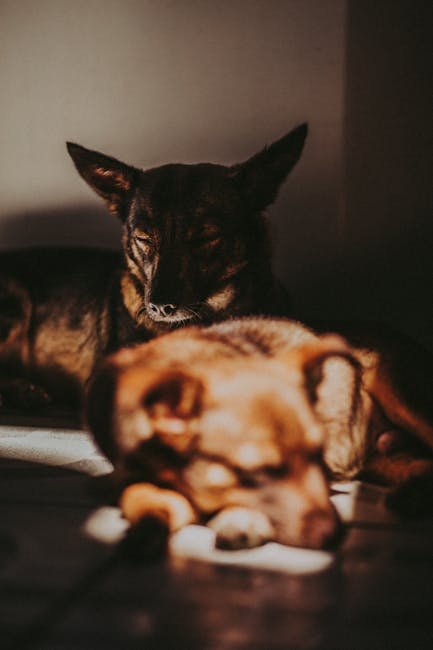

Understanding Travel Anxiety in Dogs
Travel anxiety in dogs is a common problem, manifesting in various ways. Recognizing the symptoms is the first step toward managing it. These signs can range from subtle unease to full-blown panic attacks. Common indicators include:
- Panting and Pacing: Excessive panting, even in cool environments, and restless pacing within the car or carrier are often signs of stress.
- Drooling and Vomiting: Excessive salivation is a telltale sign of nausea, often leading to vomiting during or after travel.
- Whining and Barking: Constant whining, barking, or howling indicates distress and an attempt to communicate their discomfort.
- Trembling and Shaking: Physical trembling or shaking, despite a comfortable temperature, is a clear manifestation of anxiety.
- Destructive Behavior: Some dogs may engage in destructive behaviors like chewing, scratching, or digging inside the vehicle or carrier.
- Refusal to Eat or Drink: An anxious dog may refuse food or water, even their favorite treats, during travel.
- Clinginess and Hiding: Seeking constant reassurance from their owner or attempting to hide under seats or in corners.
- Diarrhea or Incontinence: In severe cases, anxiety can lead to digestive upset, resulting in diarrhea or accidental urination/defecation.
The root causes of travel anxiety are varied and can include:
- Motion Sickness: The vestibular system in some dogs is highly sensitive, leading to motion sickness that triggers anxiety.
- Fear of Confinement: Being confined in a carrier or car can trigger claustrophobia and anxiety, especially if the dog has had negative experiences in enclosed spaces.
- Association with Negative Experiences: If previous car rides were associated with stressful events like vet visits or grooming appointments, the dog may develop negative associations with travel.
- Separation Anxiety: The fear of being separated from their owner can exacerbate anxiety during travel, even if the owner is present.
- Lack of Socialization: Insufficient early exposure to different environments and modes of transportation can increase the likelihood of travel anxiety.
- Noise Sensitivity: Loud noises, such as traffic or sirens, can trigger anxiety in dogs with noise sensitivities.
- Unpredictability: The unpredictable nature of travel, including sudden stops and turns, can contribute to anxiety.
The Role of Soft Chews in Alleviating Travel Anxiety
Soft chews have emerged as a popular and convenient method for managing travel anxiety in dogs. They offer several advantages over other forms of medication:
- Ease of Administration: Soft chews are palatable and easy to administer, even to picky eaters. They can be given directly as a treat, eliminating the struggle often associated with pills or liquids.
- Gradual Onset: Unlike fast-acting sedatives, soft chews typically have a more gradual onset, allowing the dog to acclimate to their calming effects without feeling suddenly disoriented.
- Non-Sedative Options: Many soft chews are formulated with natural ingredients that promote relaxation without causing excessive drowsiness or lethargy. This allows the dog to remain alert and responsive during travel.
- Variety of Ingredients: Soft chews come in various formulations, allowing pet owners to choose the ingredients that best suit their dog’s individual needs and sensitivities.
- Portability and Convenience: Soft chews are easily portable and can be administered discreetly during travel without requiring water or special equipment.
Key Ingredients in Anti-Anxiety Soft Chews for Dogs
The effectiveness of soft chews depends largely on the ingredients they contain. Some of the most common and beneficial ingredients include:
- L-Theanine: An amino acid found in green tea, L-Theanine promotes relaxation and reduces anxiety without causing drowsiness. It increases alpha brainwave activity, which is associated with a state of calm alertness.
- Chamomile: A well-known herb with calming properties, chamomile has been used for centuries to relieve anxiety and promote sleep. It works by binding to GABA receptors in the brain, which help to reduce nerve activity.
- Ginger: Primarily known for its anti-nausea properties, ginger can help alleviate motion sickness, a common trigger for travel anxiety.
- Melatonin: A hormone that regulates sleep-wake cycles, melatonin can help promote relaxation and reduce anxiety, especially in dogs who have difficulty settling down. It should be used with caution and under veterinary guidance.
- Tryptophan: An essential amino acid that the body converts into serotonin, a neurotransmitter that plays a role in mood regulation. Increased serotonin levels can help reduce anxiety and promote a sense of well-being.
- Valerian Root: Another herb with calming properties, valerian root works by increasing GABA levels in the brain. It can be particularly effective for dogs with severe anxiety.
- Hemp Seed Oil/CBD: Cannabidiol (CBD) derived from hemp has gained popularity for its potential to reduce anxiety and pain. While research is ongoing, some studies suggest that CBD can help alleviate anxiety in dogs. It’s vital to choose a reputable brand with third-party testing.
- Thiamine (Vitamin B1): Thiamine deficiency can contribute to anxiety and nervousness in dogs. Supplementing with thiamine can help improve mood and reduce anxiety.
Choosing the Right Soft Chew for Your Dog
Selecting the appropriate soft chew requires careful consideration of your dog’s individual needs and sensitivities. Factors to consider include:
- Severity of Anxiety: For mild anxiety, a chew with L-Theanine or chamomile might be sufficient. For more severe cases, a chew containing valerian root or CBD may be more effective.
- Allergies and Sensitivities: Carefully review the ingredient list to ensure the chew does not contain any ingredients that your dog is allergic to.
- Age and Weight: Follow the dosage instructions carefully, as the appropriate dosage will vary depending on the dog’s age and weight.
- Underlying Health Conditions: Consult with your veterinarian before giving your dog any new supplement, especially if they have underlying health conditions or are taking other medications.
- Quality and Reputation: Choose a reputable brand that uses high-quality ingredients and has positive customer reviews. Look for products with third-party testing to ensure purity and potency.
- Veterinarian Consultation: Consulting with your veterinarian is crucial before starting any new supplement regimen. They can help determine the underlying cause of the anxiety and recommend the most appropriate treatment plan.
Administering Soft Chews Effectively
To maximize the effectiveness of soft chews, follow these guidelines:
- Follow Dosage Instructions: Always adhere to the dosage instructions provided on the product label or as directed by your veterinarian.
- Administer Before Travel: Administer the chew approximately 30-60 minutes before the start of the journey to allow sufficient time for the ingredients to take effect.
- Combine with Other Calming Techniques: Soft chews are most effective when combined with other calming techniques, such as providing a familiar blanket or toy, playing calming music, and creating a comfortable and secure environment.
- Monitor for Side Effects: Observe your dog closely for any signs of adverse reactions, such as excessive drowsiness, vomiting, or diarrhea. If you notice any concerning symptoms, discontinue use and consult with your veterinarian.
- Consistency is Key: For optimal results, consider using soft chews consistently, especially if your dog experiences anxiety in other situations besides travel.
Beyond Soft Chews: A Holistic Approach to Travel Anxiety
While soft chews can be a valuable tool, they are most effective when part of a comprehensive approach to managing travel anxiety. Other strategies to consider include:
- Desensitization and Counterconditioning: Gradually expose your dog to car rides in a positive and controlled manner. Start with short trips around the block and gradually increase the duration over time. Reward them with treats and praise to create positive associations with car travel.
- Creating a Comfortable Environment: Make the car or carrier a comfortable and safe space for your dog. Use a familiar blanket or bed, provide toys, and ensure adequate ventilation.
- Using a Thundershirt or Anxiety Wrap: These snug-fitting garments provide gentle pressure that can help calm anxious dogs.
- Pheromone Therapy: Dog-appeasing pheromone (DAP) products, such as diffusers or sprays, can help create a sense of security and reduce anxiety.
- Professional Training: A certified professional dog trainer can help address underlying behavioral issues that may contribute to travel anxiety.
- Prescription Medications: In severe cases of anxiety, your veterinarian may recommend prescription medications, such as anti-anxiety drugs or sedatives. These should be used under close veterinary supervision.
- Regular Exercise: Ensuring your dog gets plenty of exercise before a trip can help reduce pent-up energy and anxiety.
- Frequent Breaks: Take frequent breaks during long car rides to allow your dog to stretch their legs, relieve themselves, and drink water.
- Positive Reinforcement: Continue to reward your dog for calm behavior during travel, reinforcing the association between car rides and positive experiences.
By combining the use of soft chews with other calming techniques and addressing the underlying causes of anxiety, you can help your dog travel comfortably and confidently, ensuring a stress-free journey for both of you.